Why your pour-over tastes thin at home
Four dials worth checking before you blame the beans — grind, temperature, ratio, and the two minutes you're probably rushing.
Written in-house by the Cophi editorial team. This is prototype content — it is not reviewed by an outside expert and makes no professional claim.
Prototype content. The coffees and roasters referenced here are fictional demo records, and this piece has not been reviewed by an outside expert.
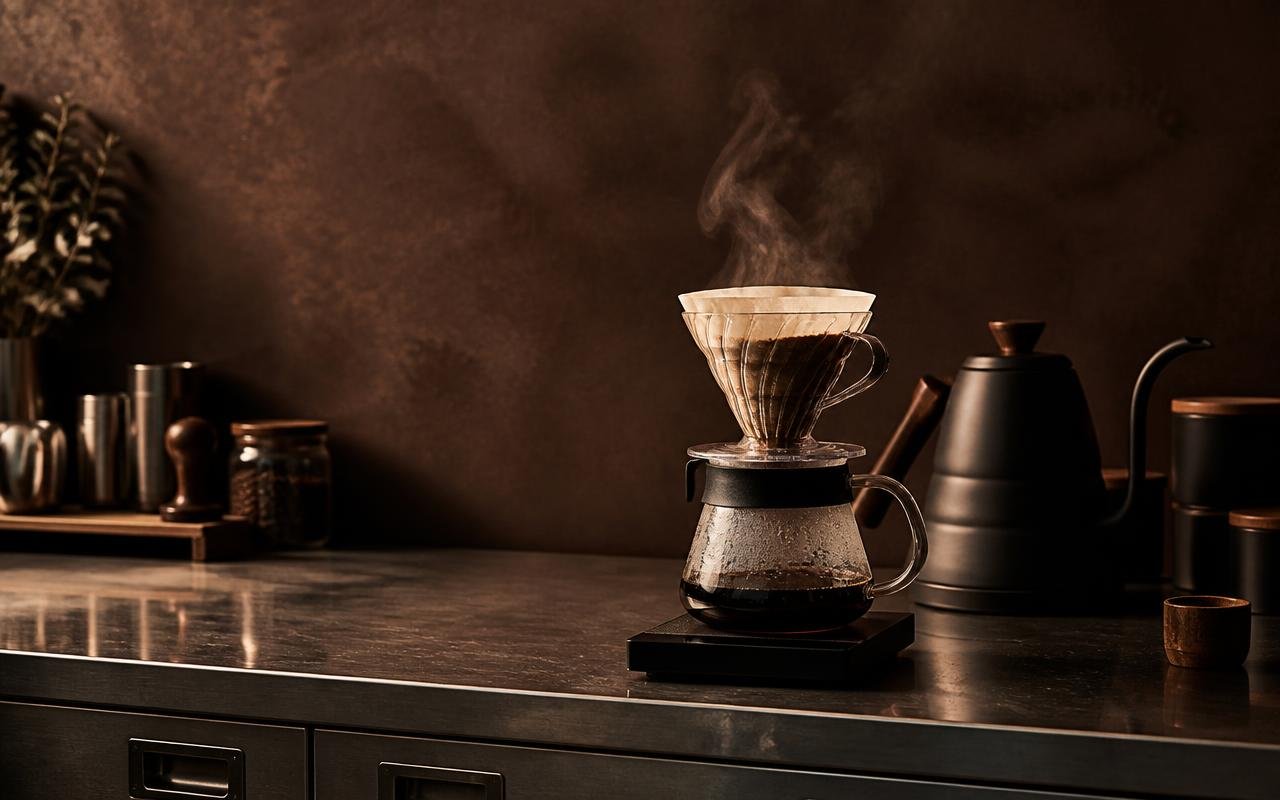
A thin pour-over is almost never a bad bag of coffee. It is usually a cup that finished extracting before it finished tasting like anything. Thinness reads as watery body, a short finish and a flavour that disappears halfway down the cup — and it comes from pulling too little out of the grounds, not too much.
Start with grind, not with beans
Grind size sets how much surface area the water can work on. If your brew drains quickly and tastes hollow, you are almost certainly grinding too coarse. Move one small step finer and brew the same recipe again. Change one variable at a time so you can tell what actually helped.
Consistency matters as much as size. A burr grinder produces a tighter particle spread than a blade grinder, which means fewer fines to choke the bed and fewer boulders to under-extract.
Water temperature does quiet work
Cooler water extracts less of everything, including the sugars that give a cup its weight. If your kettle has no temperature control, boil it and wait about thirty seconds before pouring. Lighter roasts generally want water close to the boil; darker roasts are more forgiving a few degrees below.
Get the ratio honest
Guessing dose by scoop is where most thin cups begin. Weigh both the coffee and the water. A useful Australian home starting point is 60 grams of coffee per litre of water — around 15 grams of coffee to 250 grams of water for a single mug.
- Weigh the dose, not the scoop
- Weigh the water, including the bloom pour
- Keep the ratio fixed while you adjust grind
- Write down what you changed
Stop rushing the brew
A single-cup pour-over generally wants somewhere between two and a half and three and a half minutes from the first pour to the last drip. If yours finishes in ninety seconds, the water never spent long enough in contact with the grounds. Pour more slowly, in smaller pulses, and keep the bed level.
Adjust one dial per brew. Two changes at once tell you nothing about which one worked.
When the coffee really is the problem
Very fresh coffee — under about four days off roast — can taste unsettled and gassy rather than thin. Very old coffee tastes flat and papery. Between roughly one and four weeks after the roast date, most filter coffees give you their clearest picture, which is when it is worth judging the bag at all.
Related on Cophi
More from the Journal
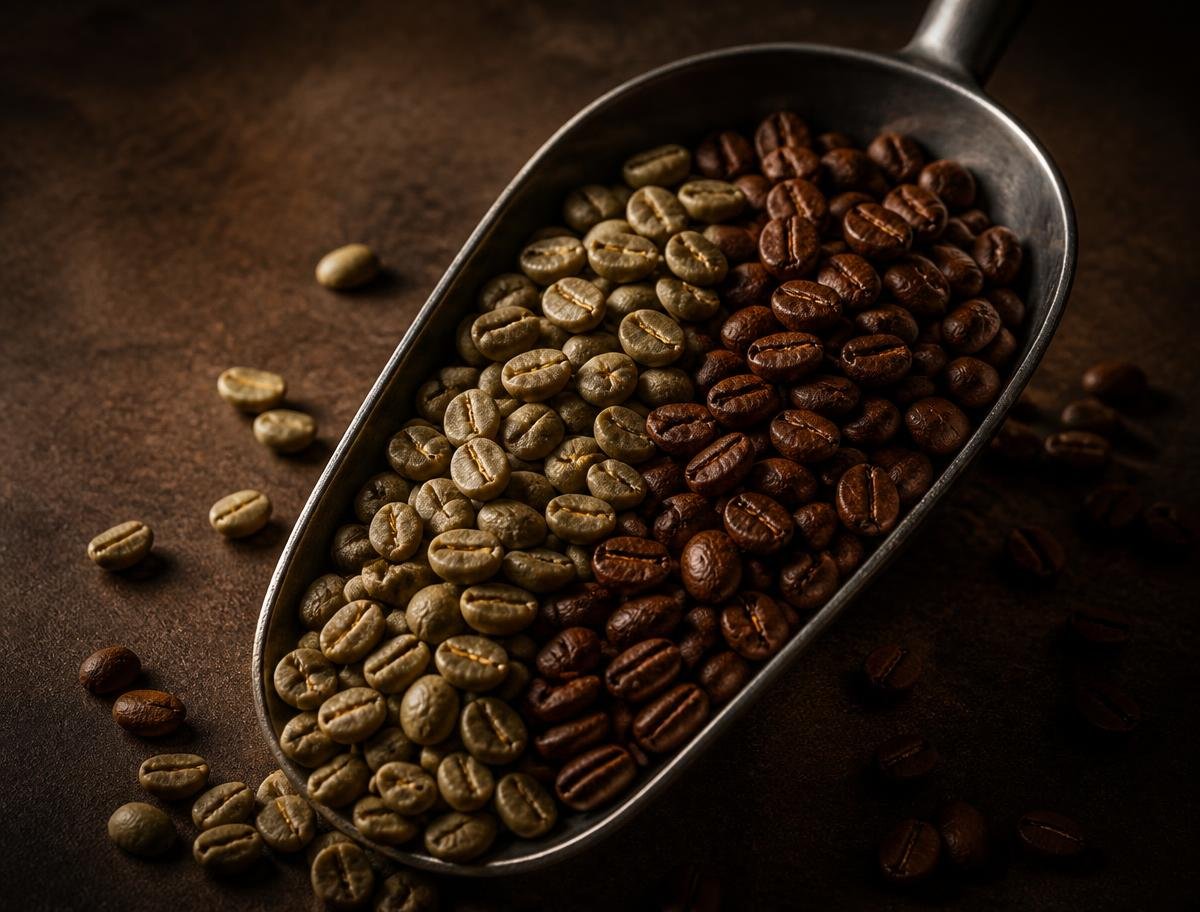 Buying2 min read
Reading a bag: process, altitude, variety
The three lines on a specialty bag that actually tell you how the coffee will taste.
Cophi Editorial TeamRead the piece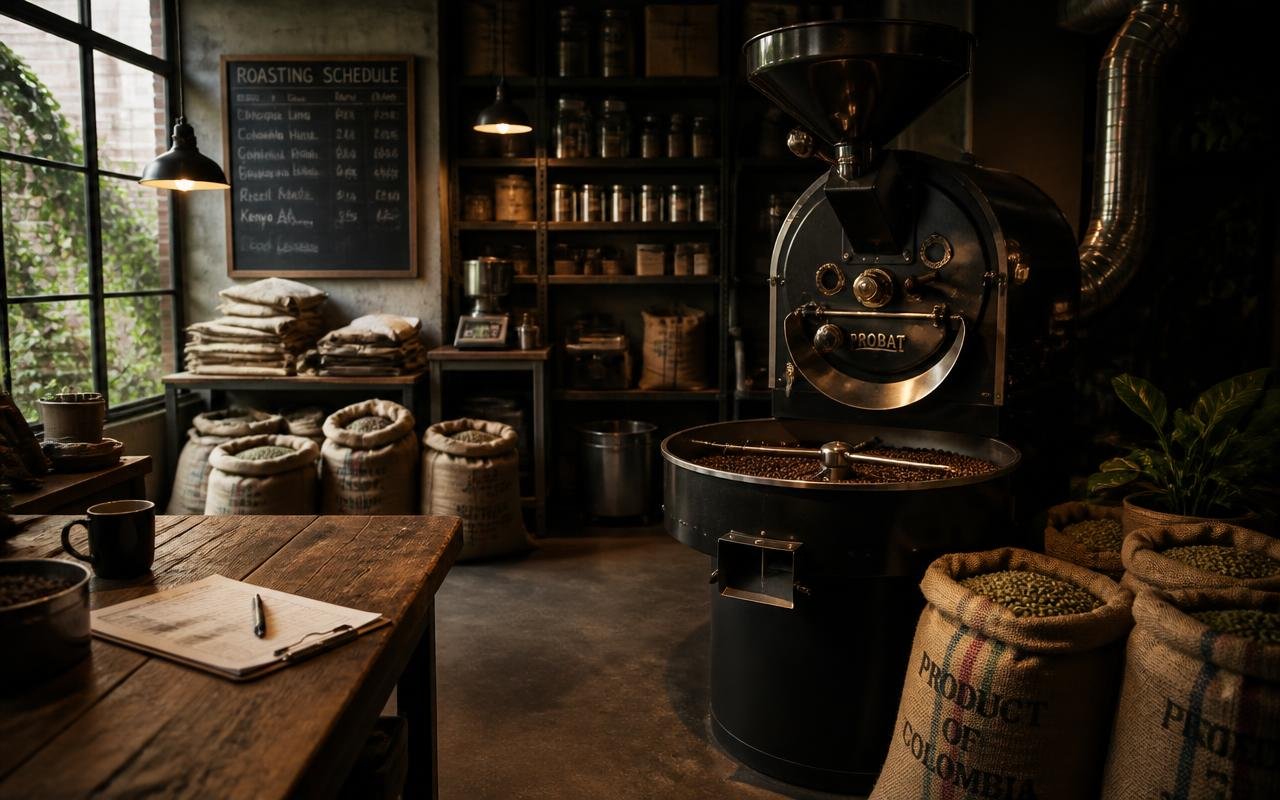 Field notes2 min read
Inside a 12kg roastery in Hobart
One machine, twice a week — and what that patient schedule does to a roast date.
Cophi Editorial TeamRead the piece