Inside a 12kg roastery in Hobart
One machine, twice a week — and what that patient schedule does to a roast date.
Written in-house by the Cophi editorial team. This is prototype content — it is not reviewed by an outside expert and makes no professional claim.
Prototype content. The coffees and roasters referenced here are fictional demo records, and this piece has not been reviewed by an outside expert.
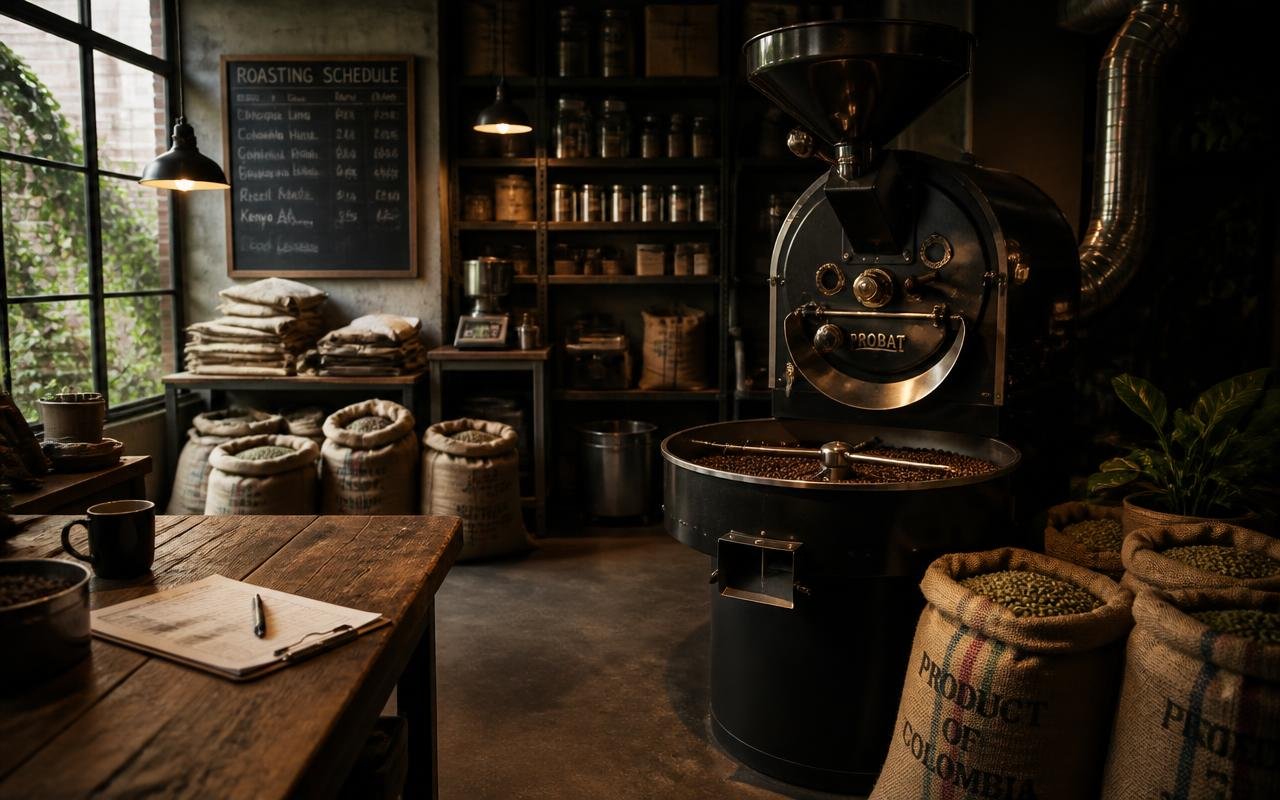
This piece describes a composite prototype roastery. It is illustrative writing, not reporting on a real business.
A twelve-kilogram drum roaster is a small machine by commercial standards and a large one by any home measure. It is also the size at which a great deal of independent Australian coffee is actually made: enough capacity to supply a handful of cafés and an online shop, small enough that one person can run the whole schedule.
Why roast twice a week
Roasting to a fixed weekly rhythm rather than continuously keeps green coffee moving and finished bags fresh. Orders placed on a Monday go onto Tuesday's roast list; the rest wait for Friday. Nothing sits in a warehouse for a month waiting for demand to catch up.
What the roast date really tells you
A printed roast date is the single most useful piece of information on a specialty bag, and a small schedule makes it meaningful. Coffee roasted on a set day and shipped within forty-eight hours reaches you inside its best window rather than at the end of it.
- Roast date printed, not just a best-before date
- Shipped within a few days of roasting
- Filter and espresso profiles handled as separate roasts
- Small enough batches that each one can be tasted
The cost of staying small
Small batches mean higher unit costs, less buying power on green coffee and no automation to absorb a bad week. What they buy in return is control: a roaster who tastes every batch can pull a profile that is drifting, and can afford to buy a single sixty-kilogram lot that a larger operation would consider too small to bother with.
That is the trade that shapes most of the independent roasters listed on Cophi — narrower ranges, shorter runs and more attention per bag.
Related on Cophi
More from the Journal
 Buying2 min read
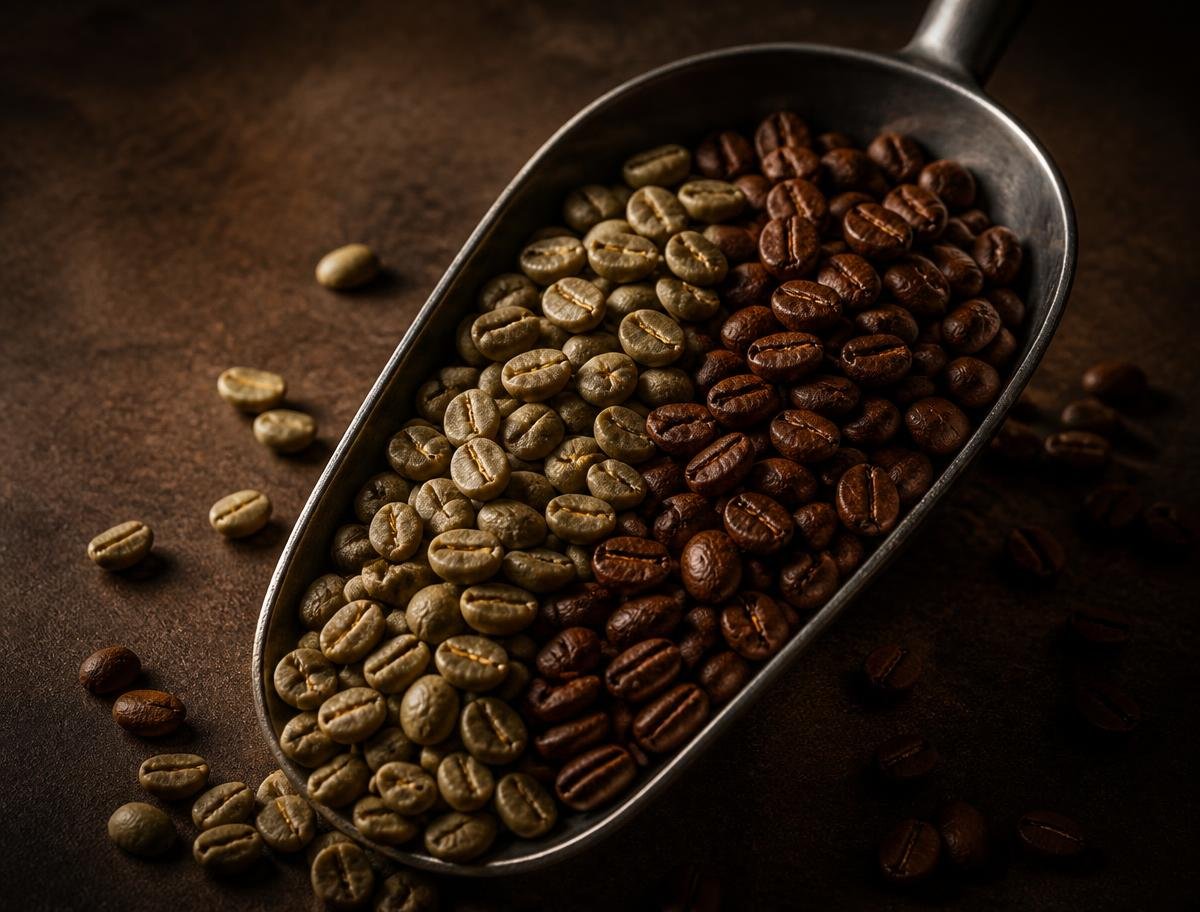
Reading a bag: process, altitude, variety
The three lines on a specialty bag that actually tell you how the coffee will taste.
Cophi Editorial TeamRead the piece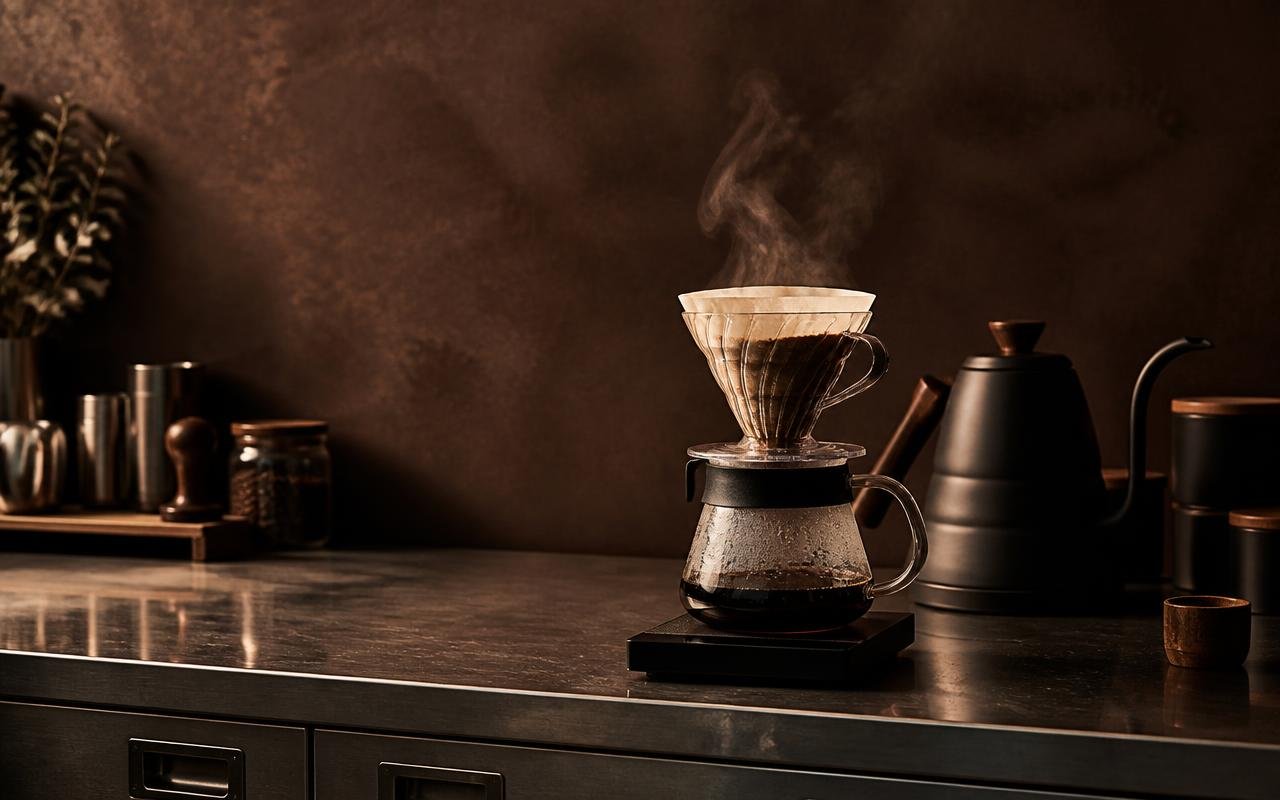 Brew guide2 min read
Why your pour-over tastes thin at home
Four dials worth checking before you blame the beans — grind, temperature, ratio, and the two minutes you're probably rushing.
Cophi Editorial TeamRead the piece